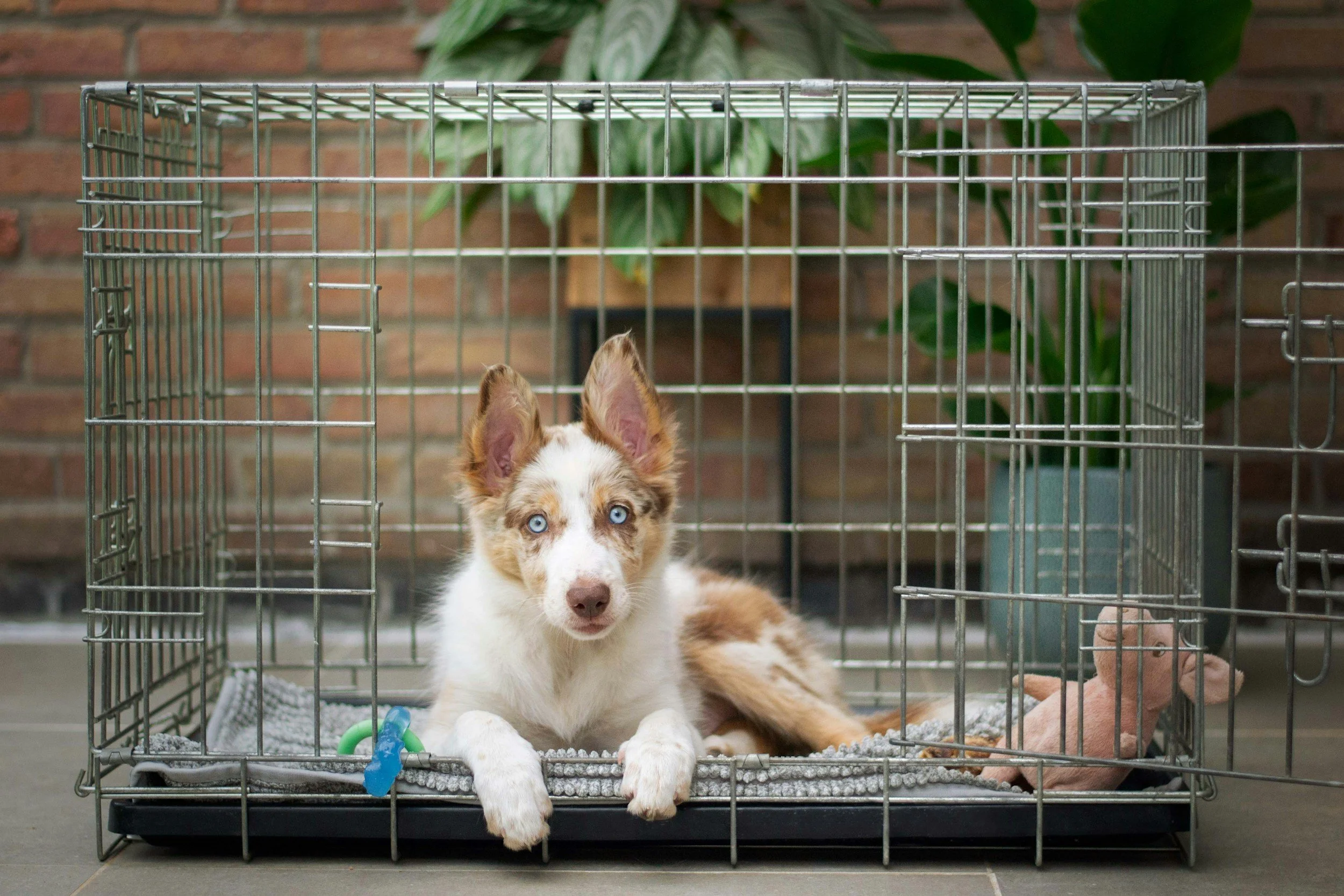
Crate training gets mixed reactions. Some see it as essential for structure and safety. Others see it as confinement.
The truth? A crate is only as positive as the way it’s introduced.
When done correctly, it becomes your dog’s den — a calm place for rest, not punishment.
Why Use a Crate at All?
Provides a safe space for rest and decompression
Aids toilet training
Keeps young dogs secure when unsupervised
Helps with travel and vet stays
It’s a place for calm, not control.
When to Start
You can begin crate training from day one — but take it slow.
The goal isn’t “get the dog in the crate,” it’s teach them the crate feels safe.
For older dogs, it’s never too late — just go back to the basics.
Why Dogs Resist
If your dog cries, scratches, or avoids the crate, it’s often because:
The crate was associated with isolation or punishment
They were shut in too long, too soon
It’s in a high-traffic or uncomfortable location
Fear comes from how the crate was used, not the crate itself.
How to Build Positive Association
✅ Feed meals in the crate with the door open
✅ Scatter treats inside for exploration
✅ Introduce a calm cue like “bed” or “place”
✅ Keep the door open until your dog chooses to enter voluntarily
Avoid shutting them in too early. Let comfort grow before confinement.
Troubleshooting
If your dog panics when shut in:
Go back to the open-door stage
Use short sessions (seconds, not minutes)
Pair the crate with positive experiences only
Never use it for punishment or “time out” — a very important one I want to stress
The Mojo Method Approach
I see crate training as emotional safety training.
I teach calm association through clear structure, patience, and positive reinforcement — never force.
Because a crate isn’t a cage. It’s a sanctuary.
🐾 Need help making the crate your dog’s calm place?
Book a course with The Mojo Method for step-by-step support.