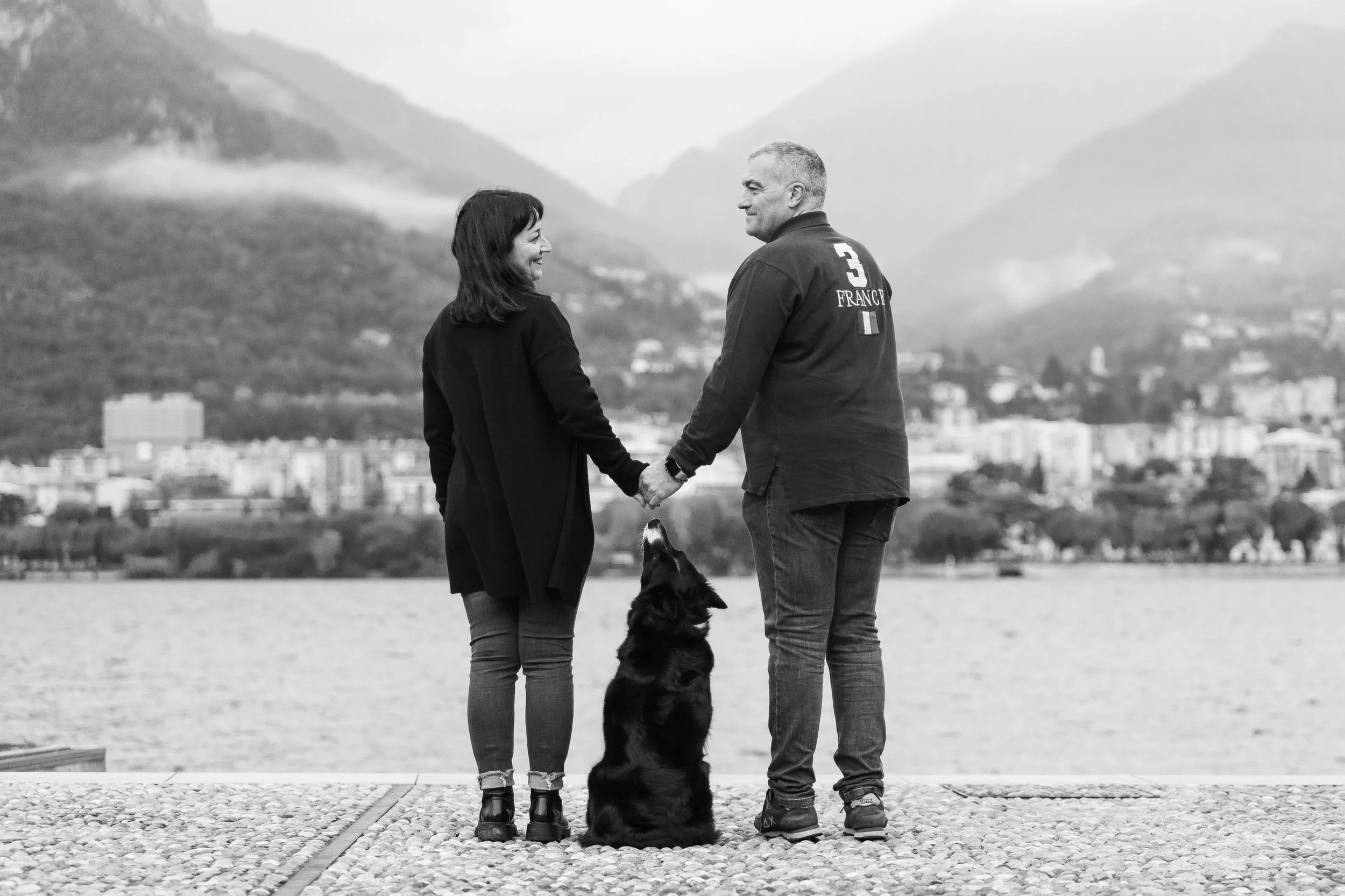
Dogs are body language experts. They read tiny changes in our movement, facial expressions, and breathing to understand what we mean — long before we ever say a word.
That’s why sometimes your dog “just knows” what you want… and other times, they seem completely confused.
It’s not that they’re ignoring you — it’s that your body and your words aren’t saying the same thing.
Dogs Don’t Speak English — They Speak Energy
To a dog, tone, movement, and energy matter more than the words we say.
When you move calmly, they feel calm.
When you lean forward, tense your shoulders, or raise your voice — they feel pressure.
Dogs are emotional mirrors.
Your energy becomes their energy.
That’s why at The Mojo Method, everything begins with your state first — calm, grounded, and clear — before we ask the dog to do anything.
The Posture Problem
Most owners naturally face their dogs head-on, lean forward, and use their hands a lot.
To a human, that looks normal.
To a dog, it can feel like confrontation.
Try this instead:
✅ Turn slightly sideways when greeting or cueing.
✅ Keep your movements soft and predictable.
✅ Use pauses — they speak louder than repetition.
✅ Let your eyes do less, and your body do more.
A sideways posture, a soft bend in the knees, or a slower movement instantly tells your dog:
“You’re safe. I’m listening.”
Movement as Communication
Your movement tells your dog when to follow, stop, or wait — often more clearly than your voice does.
💡 Try this exercise:
Next time you recall your dog, step backwards as you call them.
You’ll notice their body language soften and their tail wag. Your movement invites rather than demands.
Conversely, walking towards your dog with pressure or frustration usually triggers avoidance.
The smallest shift in direction can change the whole emotional tone of your communication.
The Power of Stillness
Silence and stillness are powerful tools in training.
Dogs notice when we stop moving and breathe normally — it grabs their attention far more effectively than shouting ever could.
When your dog’s energy rises, instead of adding more noise, do less:
Pause.
Breathe.
Ground your feet.
Wait for calmness before re-engaging.
Stillness gives clarity. It says,
“I’m calm. You can be calm too.”
The Mojo Method Approach
Your dog is always reading you — even when you’re not speaking.
My goal is to teach you to communicate through calm posture, consistent energy, and clear movement so your dog always knows what you mean.
Because when your words and your body finally match, training becomes effortless — and connection becomes second nature.
Dogs are fluent in body language.
The more you align your energy and movement with calm clarity, the more your dog will understand — and trust — you.
🐾 Ready to learn how to communicate clearly without saying a word?
Book a course with The Mojo Method to discover the power of calm body language in your training.