Why We Should Let Dogs Be Dogs (and Stop Over-Humanising Them)
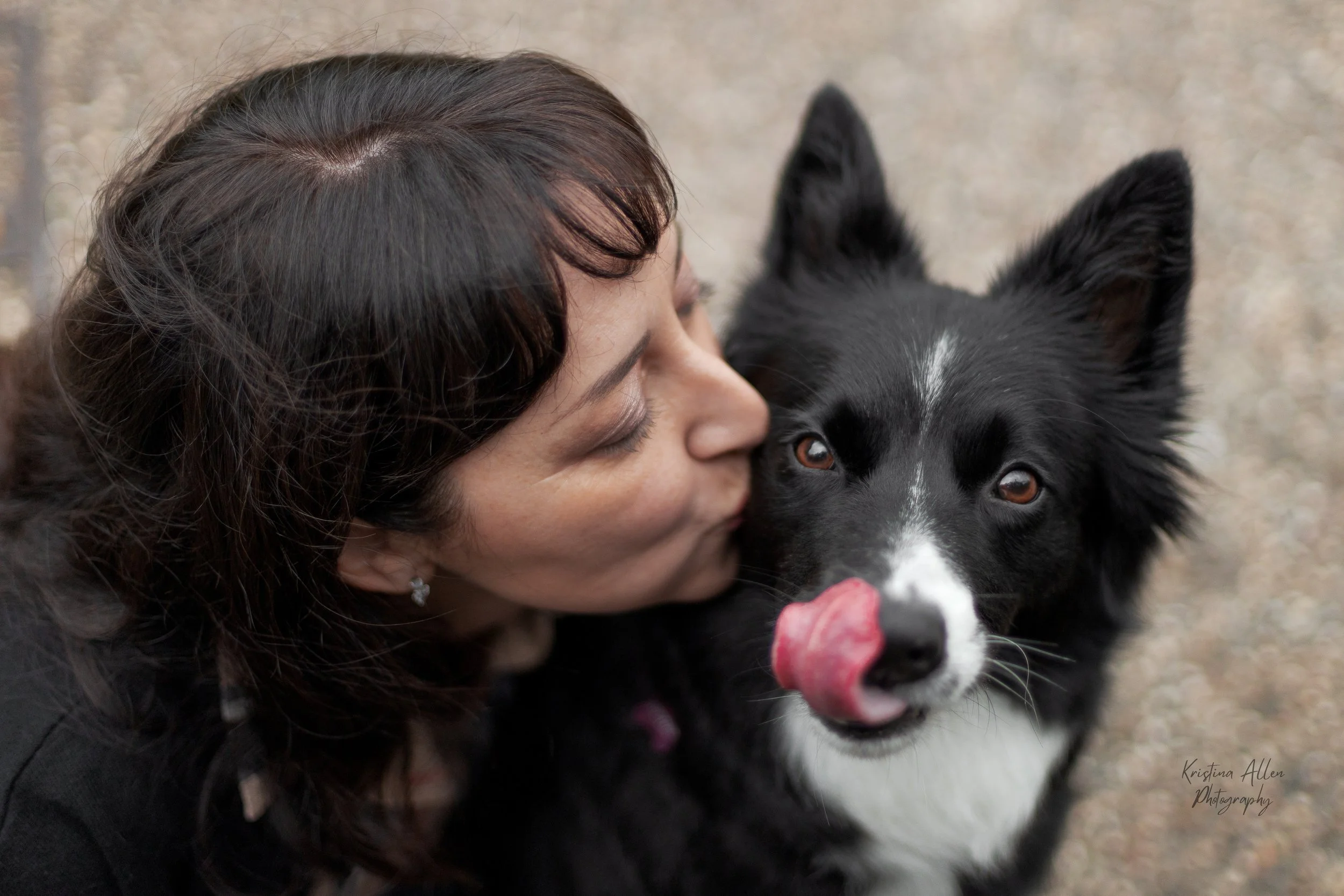
I’ll admit it — I’m guilty of this from time to time. What owner isn’t?!
We all do it, because we love them so much. We talk to them like they’re tiny people. Our babies, our sisters and brothers.
But as comforting as that is for us, it can actually make life harder for our dogs.
Understanding dogs as dogs — with their own instincts, communication, and needs — is one of the kindest things we can do for them.
Studies have shown that dogs are remarkably attuned to human emotion and communication — even more so than any other domesticated animal.
In one 2018 study by the University of Portsmouth’s Dog Cognition Centre, researchers found that dogs adjust their facial expressions based on human attention, suggesting they’re capable of reading our cues and responding socially, not just instinctively.
That emotional intelligence is what makes dogs such incredible companions — but it’s also why they can become confused when we treat them like humans instead of the unique species they are.
Why We Humanise Dogs
We’re wired for empathy.
We see emotion in their eyes, body language, and behaviour, and we interpret it through a human lens.
We assume guilt when a dog lowers their head, or stubbornness when they don’t respond.
In reality, they’re often confused, stressed, or trying to diffuse tension.
When we humanise dogs, we unintentionally project our emotions onto them — instead of learning theirs.
A Short History: How Dogs Learned to Read Us
Dogs have evolved alongside humans for thousands of years — not just as companions, but as partners in survival.
They learned to read our gestures, tone, and body language with incredible precision, long before we ever put words to commands.
Research shows dogs are better at understanding human body language than even our closest animal relatives, like chimpanzees. They’ve become experts at reading us.
But somewhere along the way, we stopped doing the same for them.
Modern life — with its distractions, fast pace, and constant human lens — has made us forget how to read their signals with the same sensitivity they show us.
When we humanise dogs instead of observing them as dogs, we lose that mutual understanding that was once so instinctive.
How It Affects Their Behaviour
Over-humanising dogs can lead to:
Mixed signals — using words or tones that don’t match what they understand.
Unrealistic expectations — like expecting “self-control” in situations beyond their skill level.
Guilt and frustration — both for you and your dog, when communication breaks down.
Let Dogs Be Dogs
No matter how much we love them, dogs are a different species to us.
Dogs explore the world through scent, movement, and instinct.
They chew, dig, chase, and bark — not to annoy us, but because that’s who they are.
When we try to suppress those natural behaviours, we chip away at what makes them feel grounded and fulfilled.
Instead of humanising them, we can honour their dog-ness:
Give them time to sniff on walks.
Let them make choices safely.
Provide enrichment that taps into their instincts.
Use training that speaks their language — calm tone, clear cues, consistent feedback.
Acknowledging Our Differences Doesn’t Mean Loving Less
Letting dogs be dogs doesn’t mean loving them less. It means loving them better.
It’s seeing the world through their eyes — not expecting them to see it through ours.
When we stop trying to make dogs fit into human moulds, we open the door to real understanding, calmness, and connection.
The Mojo Method Approach
At The Mojo Method, we focus on helping owners understand their dogs in a language they understand.
That means meeting them where they are — with empathy, but also with clarity.
Because the more we learn to see dogs as dogs, the more harmonious life becomes for everyone.
It’s okay to talk to your dog like they’re your best friend — just remember to also listen to them like they’re a dog.
They don’t need perfection. They need to feel understood.
🐾 Want to learn your dog’s language?
Book a 1:1 training session package with The Mojo Method and start seeing the world through your dog’s eyes.