How Dogs Use Calming Signals (And How to Respond to Them)
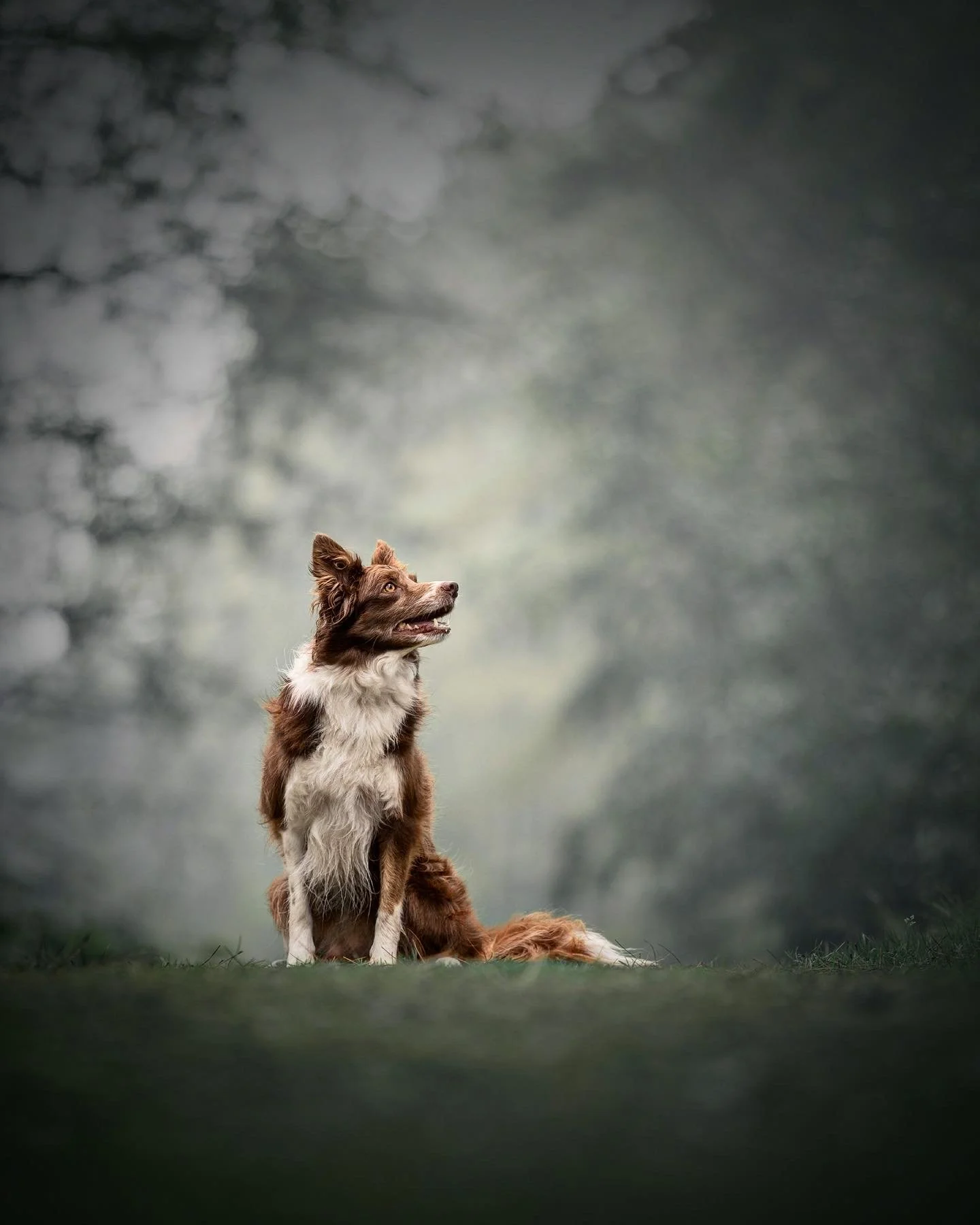
You’ve probably seen it without realising it — a dog turning its head, licking its lips, yawning, or slowly blinking when another dog (or person) approaches.
These subtle gestures aren’t random. They’re part of a language all dogs speak: calming signals.
Understanding this language changes everything about how you communicate with your dog. It helps you prevent stress, avoid conflict, and build deeper trust — all without saying a single word.
What Are Calming Signals?
The term “calming signals” was first popularised by Norwegian trainer Turid Rugaas, who observed how dogs use gentle, non-confrontational gestures to avoid conflict or reduce tension — both with other dogs and with us.
They’re a dog’s version of emotional regulation. Instead of shouting, they whisper through body language.
Common calming signals include:
Turning the head or body away
Lip licking or nose licking
Yawning
Sniffing the ground
Soft blinking or looking away
Moving slowly
Sitting or lying down suddenly
Curving around another dog rather than approaching head-on
Each of these gestures says:
“I’m calm.”
“I mean no harm.”
“Please slow down.”
Why Dogs Use Calming Signals
Calming signals are part of a dog’s survival and social toolkit. In the wild, overt conflict can be dangerous — so dogs evolved ways to defuse tension early.
Today, those same instincts help them navigate our world too.
A dog might show calming signals when:
They feel pressure or uncertainty (for example, when a hand reaches over their head).
They meet a new dog or person.
They sense frustration, anger, or tension in us.
They’re confused or over-stimulated during training.
By offering these gestures, they’re trying to keep the peace.
How Humans Often Misinterpret Them
Many owners miss or misunderstand these signals — or even unintentionally punish them.
For example:
A dog turns away and yawns during a cuddle, and the owner pulls them closer — the dog’s quiet request for space is ignored.
A dog licks their lips while being scolded, and the owner assumes guilt, not stress.
When these signals go unnoticed, a dog might eventually stop using them — and jump straight to growling, barking, or avoidance.
How to Respond and Build Trust
The best way to respond is to listen with your eyes.
If your dog turns away or licks their lips → give them space, soften your tone, and avoid leaning in.
If they sniff or move slowly during training → pause, lower the pressure, and wait for them to re-engage.
If they yawn when you reach out → sit back or turn slightly sideways to show you mean no harm, mirror their calming signals back to them.
Every time you acknowledge your dog’s subtle signals, you show them they can trust you to listen — and that’s how you build emotional safety.
The Mojo Method Approach
Communication is a two-way street.
By learning to see the world through your dog’s eyes — and honouring their quiet cues — you build connection through talking to them in a language they understand.
Because a dog who feels heard is a dog who feels safe.
Calming signals are the secret language of dogs — and once you learn to see them, you’ll never unsee them.
They’re reminders that your dog is always communicating; you just need to slow down and listen.
🐾 Want to learn how to read your dog’s body language like a pro?
Book a 1:1 course with The Mojo Method and start speaking your dogs language!