Puppy Training Essentials: Building Good Habits from Day One
Bringing a new puppy home is exciting — and a little overwhelming! The good news? You don’t need to be perfect; you just need to be consistent and kind.
These simple, positive techniques will help your puppy learn calmness, confidence, and focus from day one — setting you both up for a lifetime of trust and understanding.

You don’t need to be perfect, consistency is key, especially in those first few weeks
Setting Up for Success at Home
Before you even begin teaching cues or tricks, focus on creating a calm, predictable environment. Puppies learn best when they feel safe and secure — not overstimulated or confused.
Have a quiet space where your puppy can relax, away from busy household activity. Keep a simple routine for meals, playtime, and naps to help them settle.
The goal at this stage isn’t to “train” in the traditional sense — it’s to build confidence and help your puppy understand what to expect from daily life — remember, they’ve just been taken away from their mother and littermates, it’s going to be a confusing time for them!
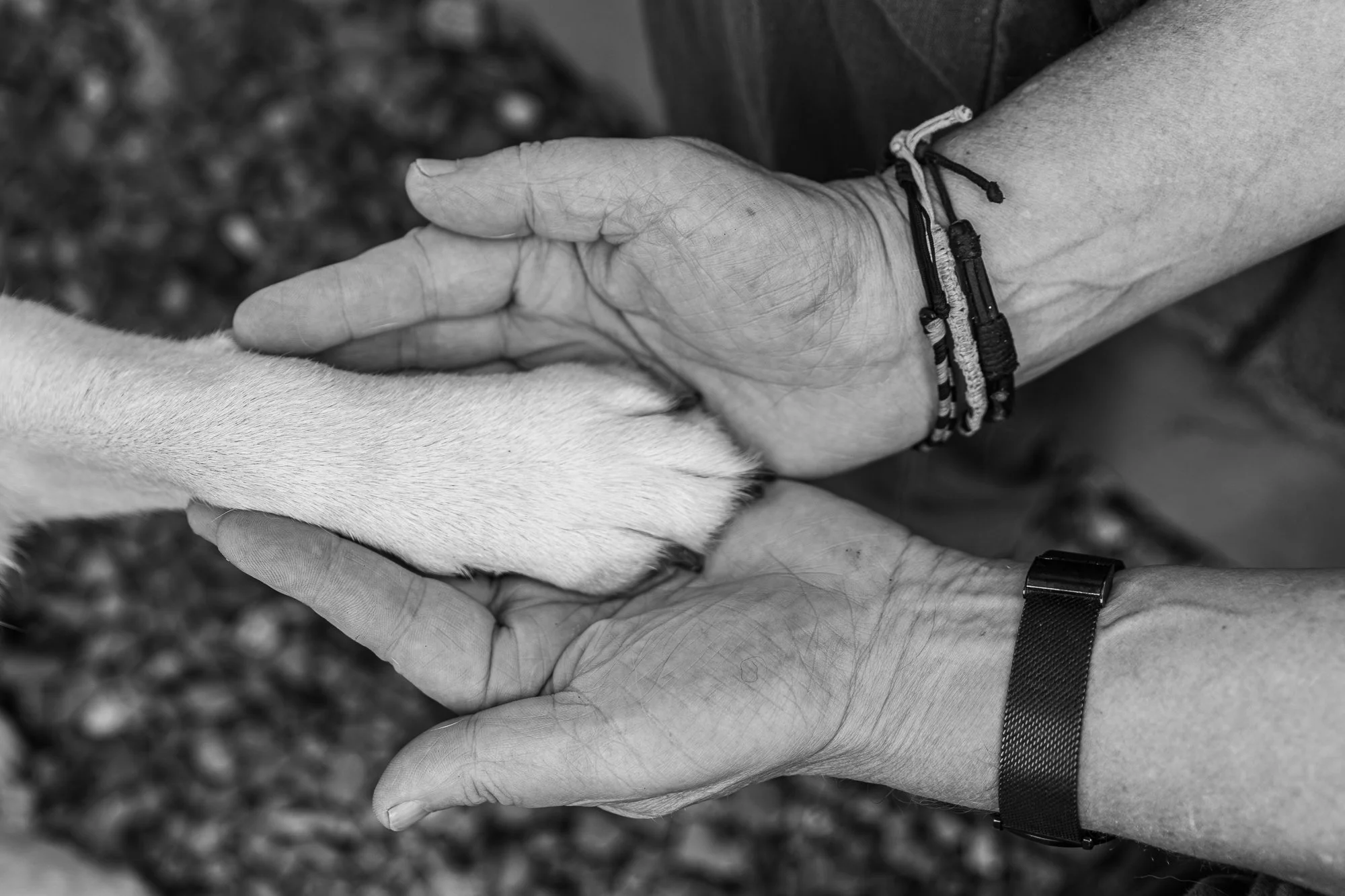
Calmness at home is the foundation for focus everywhere else
Socialisation: Quality Over Quantity
Socialisation is one of the most important parts of early training — but it’s often misunderstood. It isn’t just about exposing your puppy to as many people and dogs as possible; it’s about creating positive experiences that build confidence.
Take things slowly and always stay within your puppy’s comfort zone. Pair new sights, sounds, and situations with treats, praise, and reassurance.
Short, calm experiences are far more valuable than overwhelming ones. The goal is to show your puppy that the world is safe and good — not scary or unpredictable.
Every new experience should end with your puppy feeling safe, not startled
Calmness Is the Foundation
If I could give every new puppy owner one piece of advice, it would be this: train calmness first.
A calm puppy can focus, listen, and learn. If your puppy is wound up or distracted, teaching becomes frustrating for you both.
Practise calm moments throughout the day — gentle strokes when they’re resting, rewarding quiet behaviour, or simply sitting together in peace. These small choices shape your puppy’s mindset and build lifelong habits.
A calm dog creates a confident dog
Reward What You Want to See
Puppies repeat what works for them — so notice and reward the good moments! Too often, we give attention when our puppy does something wrong and stay silent when they do something right.
Use treats, toys, and praise to reinforce behaviours you love: sitting calmly, coming when called, or choosing to settle on their bed. By rewarding those moments, you teach your puppy that good choices pay off.
This is the heart of positive reinforcement training — focusing on what you want more of, not what you want less of.
Keep Training Fun and Simple
Puppies have short attention spans, so keep sessions brief and upbeat — a few minutes at a time is perfect. End on a high note so your puppy always looks forward to learning.
Mix play with training, use your clicker to mark successes, and be patient with mistakes — they’re part of the process.
Training isn’t about perfection; it’s about progress. The more relaxed and playful you are, the more your puppy will want to engage.
“When training feels like play, learning happens naturally.”
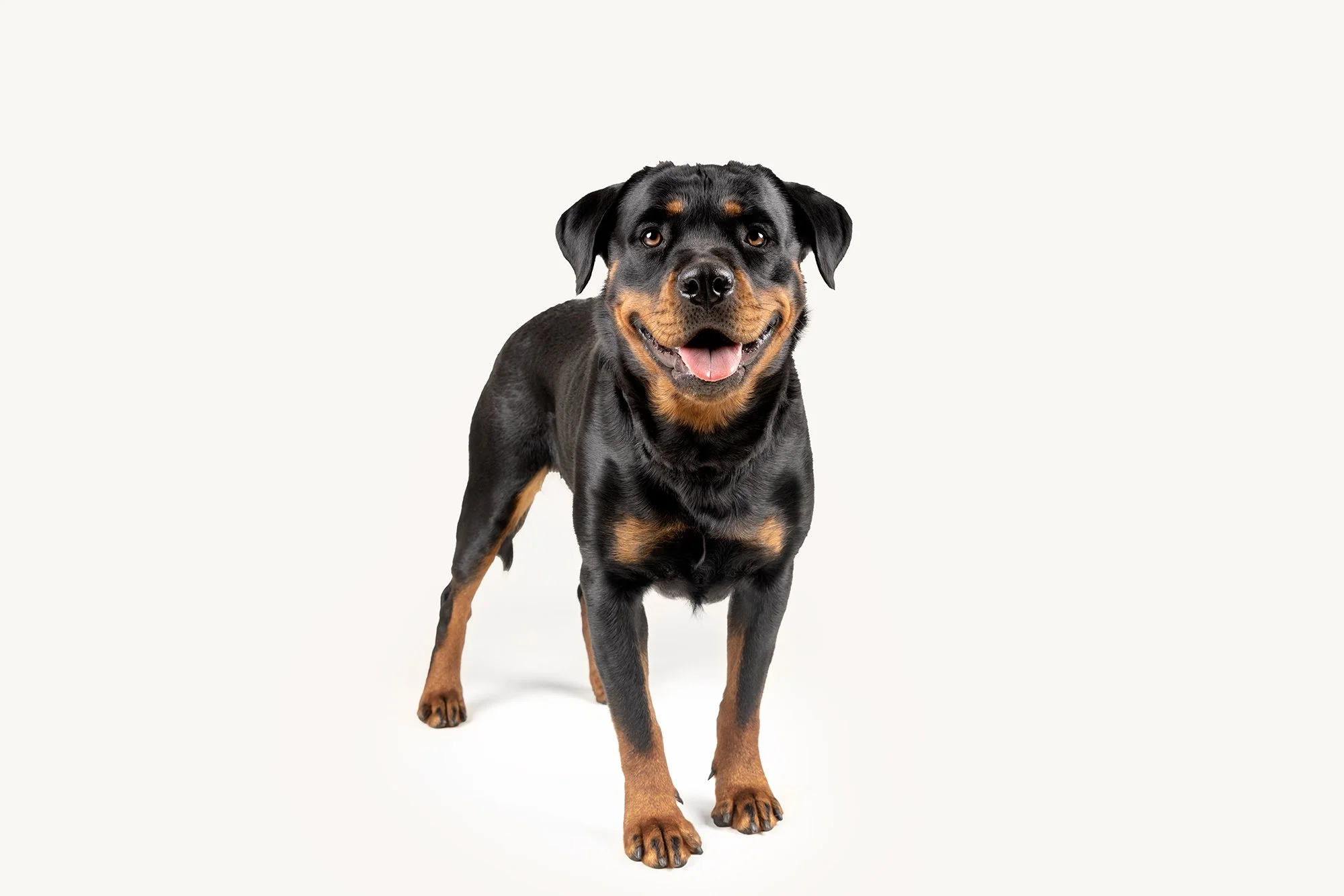
Building a Confident Future
Your puppy’s early months shape who they’ll become — and every calm, positive experience helps build a foundation for lifelong confidence.
By focusing on calmness, connection, and clarity from the start, you’re not just raising a well-mannered dog — you’re creating a relationship based on trust and understanding.
That’s the heart of The Mojo Method: helping you and your dog find your rhythm and grow together.
If you’d like help with your puppy’s first steps, you can book a free 30-minute discovery call here.