Recognising the Early Signs of Overstimulation in Dogs
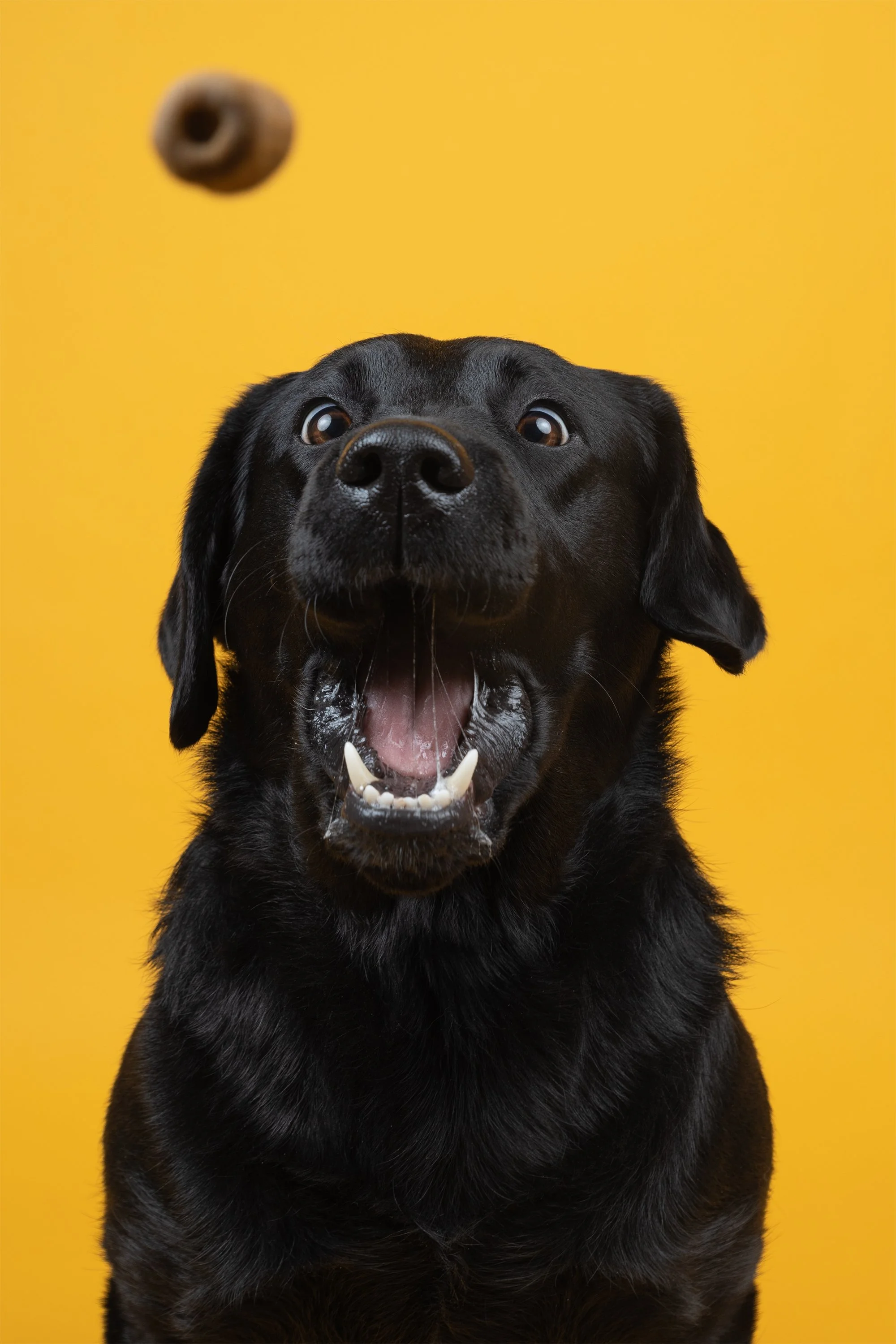
When we think of an excited dog, it’s easy to assume it’s a happy dog — tail wagging, bouncing around, full of energy.
But for many dogs, what we see as excitement can actually be overstimulation.
Overstimulation happens when a dog’s environment, energy, or emotions become too much for them to process. They can’t think clearly, listen, or learn — and both owner and dog can end up frustrated.
Learning to spot the early signs of overstimulation is one of the most powerful ways to build calm, confident behaviour.
What Overstimulation Looks Like
Every dog is different, but some early red flags include:
Constant pacing, spinning, or zoomies that don’t ease up
Fixating on other dogs, people, or objects
Ignoring cues they usually respond to
Jumping, mouthing, or grabbing the lead
Barking that feels intense or “wired” rather than relaxed
At first, these behaviours can look playful — but underneath, your dog’s nervous system is on high alert.
Common Causes of Overstimulation
Dogs can become overstimulated by:
Too much excitement too quickly (e.g. play, visitors, new environments)
Lack of rest or decompression time
Overuse of high-arousal toys (like fetch or tug without calm breaks)
Owners unintentionally feeding into the energy with loud tones or fast movement
Stress stacking — when small stressors build up throughout the day
Understanding the “why” behind overstimulation helps you prevent it, not just manage it.
How to Help Your Dog Find Calm Again
The goal isn’t to suppress your dog’s excitement — it’s to guide them back to balance.
Here’s how:
Pause, don’t push: Step away from the situation before your dog tips over their threshold.
Soften your energy: Speak gently, slow your movements, and model calm.
Encourage sniffing or chewing: These natural behaviours help dogs self-soothe.
Reward calmness: Notice and reinforce when your dog chooses to settle or check in with you.
Teach redirection: Teaching your dog a behaviour that brings back their focus (hand touch is a great one for this)
Create calm routines: Short, regular decompression walks and quiet “settle” time make a huge difference.
With practice, your dog learns that calm feels safe — and that you’re their guide to getting there.
The Mojo Method Approach
At The Mojo Method, we don’t aim to tire dogs out — we help them find calm from within.
By teaching owners to notice early stress signs, regulate energy, and reinforce balance, we prevent reactivity before it starts.
When calm becomes a habit, everything else — focus, trust, connection — starts to click into place.
If your dog struggles to switch off after walks or play, it might be overstimulation, not “bad behaviour.”
Start observing their energy earlier — and you’ll start seeing calmer, more connected responses.
🐾 Want help recognising your dog’s stress signals?
Contact me for 1:1 training sessions across Worcestershire — focused on calm, connection, and clarity.